
How it works
The Process
Museum-quality preservation packages. Crafted for every bride.
Preserve your gown. Keep the memory.
Every gown we receive is treated as the irreplaceable heirloom it is. We offer a one-of-a-kind polypropylene box with muslin covers for preservation — built on the same museum-quality foundation. Boxes come in 3 sizes: small, medium, and large.
This is not a cardboard box with a viewing window that does not protect your gown from the various elements; this box is a one-of-a-kind box only available through our Collective Group of preservation specialists at the following locations: Maryland|DC, California, Canada, Florida, Idaho, Ohio, Missouri & Texas
3 IMPORTANT TIPS EVERY BRIDE SHOULD KNOW ABOUT PRESERVATION
1. The Cleaning Process
Museum-quality preservation for your gown
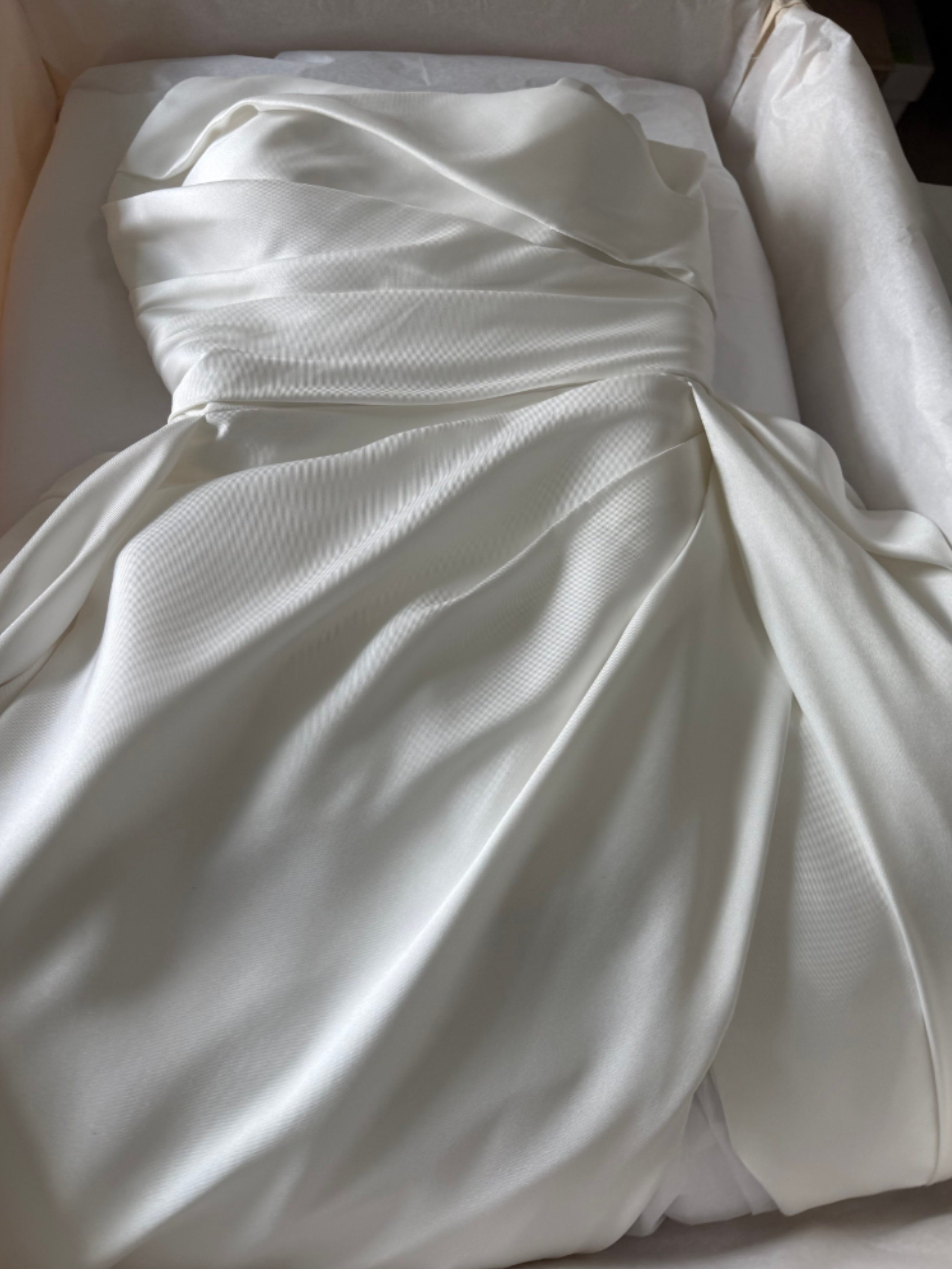
Most gowns go through quite a beating on the wedding day. From sand and water to grass and dirt, gowns can acquire numerous types of soil from the ground-up. Did you know there are stains invisible to the eye? Sugar stains are the most common and don't pose a problem until months and/or years later if not cleaned properly. Wine, champagne, beer, and soda are the most common threats. Sugar can also come in the form of self tanner, makeup, deodorant, perfume, and hairspray. An educated and seasoned preservationist will know the difference between these stains and the appropriate steps to remove them, including the stains we cannot see. Keep in mind that preservation companies will clean the gown for you as part of the process and generally offer vast knowledge specific to wedding gown cleaning.
Does your gown/veil have glitter on 1 or more layers? Is anything glued? Be very careful to hand over your gown to just any company. Make sure they know how to properly clean these special textiles! Our company has over 2 decades of experience working with ALL types of gowns!
Book a Consultation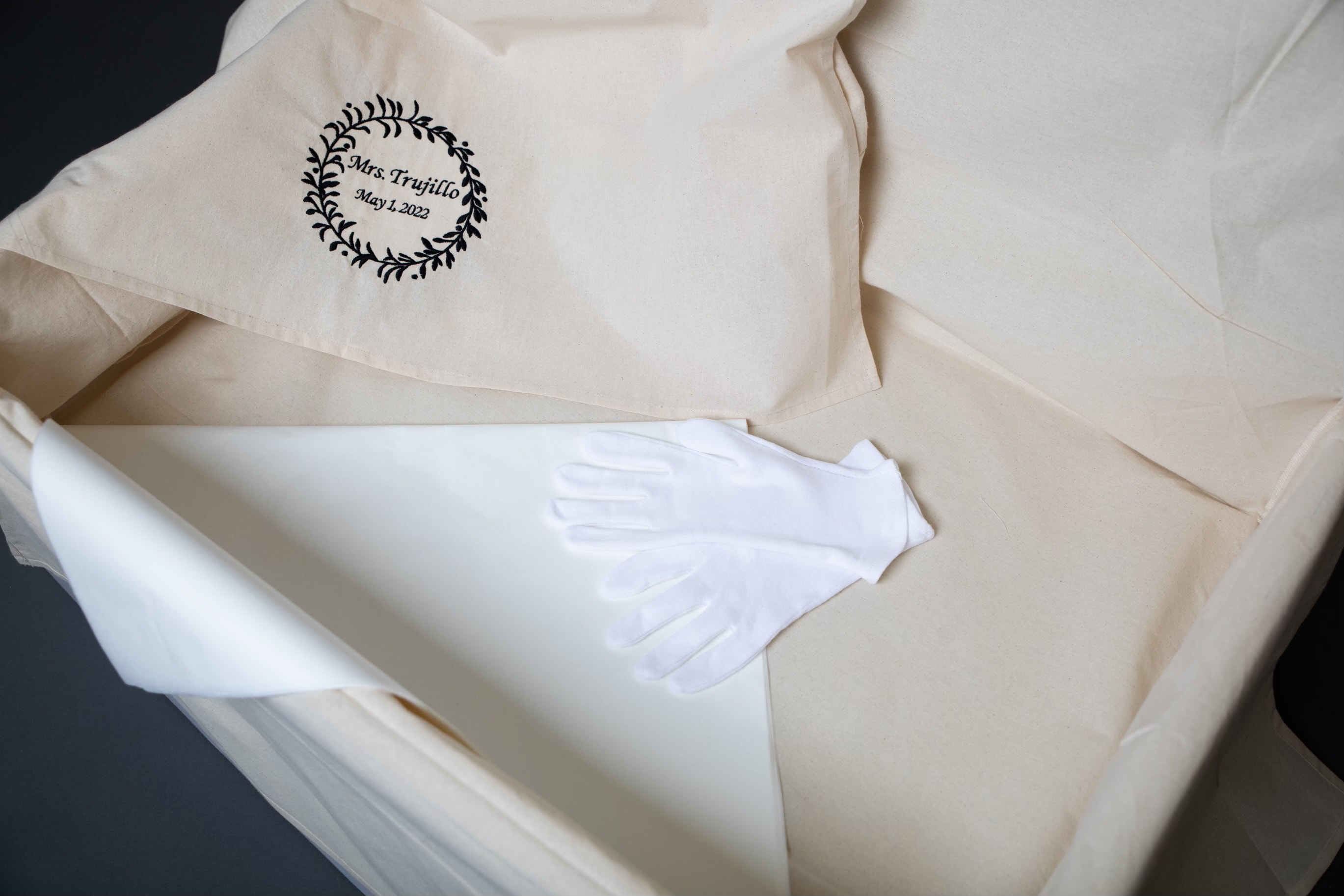
2. Not all preservation methods work
Understanding the difference can protect your gown
This is where most brides go wrong. But it's really not your fault. Unless you've spent time in a museum and were properly educated about the science behind storing textiles, then you're just a normal bride looking for the easiest and most cost-effective way to get this done. Let's settle the confusion. There are 2 types of preservation. The first type has a viewing window and is made of cardboard. These methods do not allow you access to your gown and void the warranty if you open it. This method leaves you with no real recourse if something goes wrong. And considering you can't see majority of the gown, it's pretty safe to say it could be years before you realize your gown was potentially damaged during the process. Also, textiles need movement. These boxes prevent you from giving your gown the necessary movement to prevent folds from becoming permanent creases over time.
However, the second method is unsealed (OUR METHOD). These boxes utilize stable polypropylene boxes with no viewing window. The gown is layered with archival tissue and wrapped in muslin. These act as filters to protect the gown from light, humidity, bugs, and dust. The tissue will also absorb any acid near or on the gown, preventing it from turning yellow. This method is highly used in museums around the world. Basically, in a nutshell, if you ever want access to your gown for any reason, you're going to get it! Also, according to conservationists, it's a much safer environment for your gown, as you can offer movement and monitor the process. If the day comes that you decide to wear her again, you can! Our method offers so many benefits to you and your gown!
Museum quality with our polypropylene boxes — they are one-of-a-kind!
Book a Consultation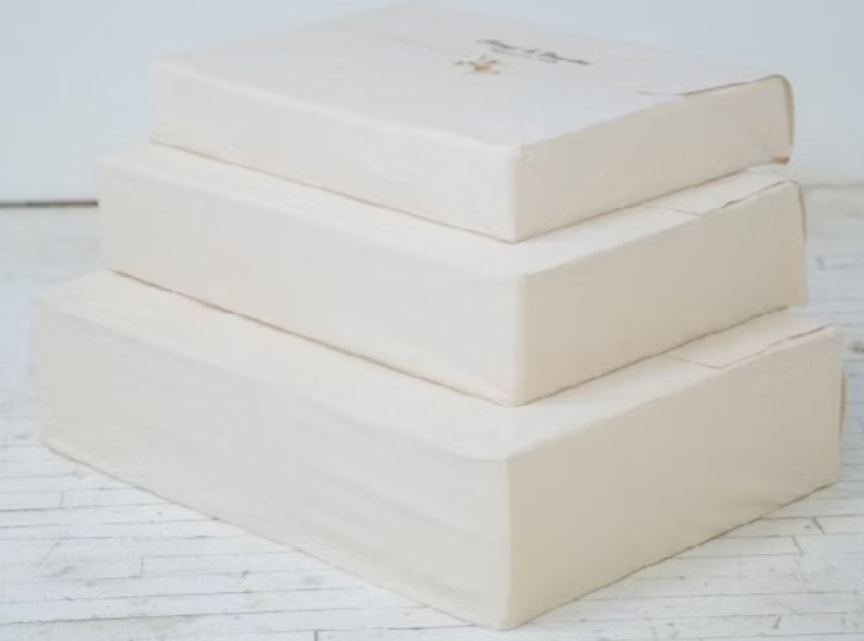
3. Storing Your Gown
Where and how you store your gown matters
Once your gown has been properly cleaned and preserved, where you store it is just as important as how it was preserved. Many brides make the mistake of storing their gown in an attic, basement, or garage — environments with extreme temperature fluctuations and high humidity that can undo even the best preservation work. Temperatures and humidity changes can wreak havoc on your precious heirloom. Make sure to stay away from a garage, storage unit, attic or basement.
The ideal storage location is a cool, dry, dark space with consistent temperature — a bedroom closet is often the best option. Keep your gown away from direct sunlight, which can cause yellowing and fabric breakdown over time. Avoid plastic bags or containers, which trap moisture and accelerate deterioration. Your preservation box is designed to breathe — let it do its job.
We also recommend periodically removing your gown from the box every few years to gently refold it along different lines. This prevents permanent creases from forming at the same fold points over time. Think of it as giving your gown a little breathing room — just like it deserves. Our polypropylene boxes are one-of-a-kind!
- Store in a cool, dry, dark location
- Bedroom closet is ideal — avoid attics & basements
- Keep away from direct sunlight
- Never store in plastic bags or containers
- Refold gently every few years to prevent creases
- Your preservation box is designed to breathe
Why Choose Us
The Maryland Gown Preservation Difference
Locally Performed
Every cleaning and preservation is performed locally in the Maryland area — never shipped out of state.
Museum-Quality Methods
We use archival-grade polypropylene boxes, acid-free tissue, and muslin wrapping — the same methods trusted by museums worldwide.
Decades of Experience
With over 20 years of collective experience across multiple states, our specialists know how to handle every fabric, silhouette, and embellishment.
Fully Insured & Guaranteed
We are fully insured and stand behind every preservation. If you are ever unsatisfied, we will make it right — no questions asked.
Common Questions
Frequently Asked Questions
How long does the preservation process take?
Most gowns are completed within 4–6 weeks. We will give you a specific timeline at your drop-off consultation based on the condition and complexity of your gown.
How soon after my wedding should I bring in my gown?
The sooner the better. Stains — especially invisible ones from champagne, cake, or body oils — can set and oxidize over time. We recommend bringing your gown in within a few weeks of your wedding.
What fabrics and styles do you work with?
We work with all fabric types including silk, lace, tulle, satin, chiffon, and heavily beaded or embroidered gowns. Our specialists assess each gown individually to determine the safest cleaning and preservation method.
Do you preserve veils and accessories separately?
Yes — Package 2 includes veil and/or cape preservation alongside your gown. If you have other accessories you would like preserved, contact us to discuss options.
How should I store my preserved gown?
Your gown will be returned in an acid-free preservation box. Store it in a cool, dry place away from direct sunlight and humidity. Avoid attics and basements where temperature fluctuations are common.